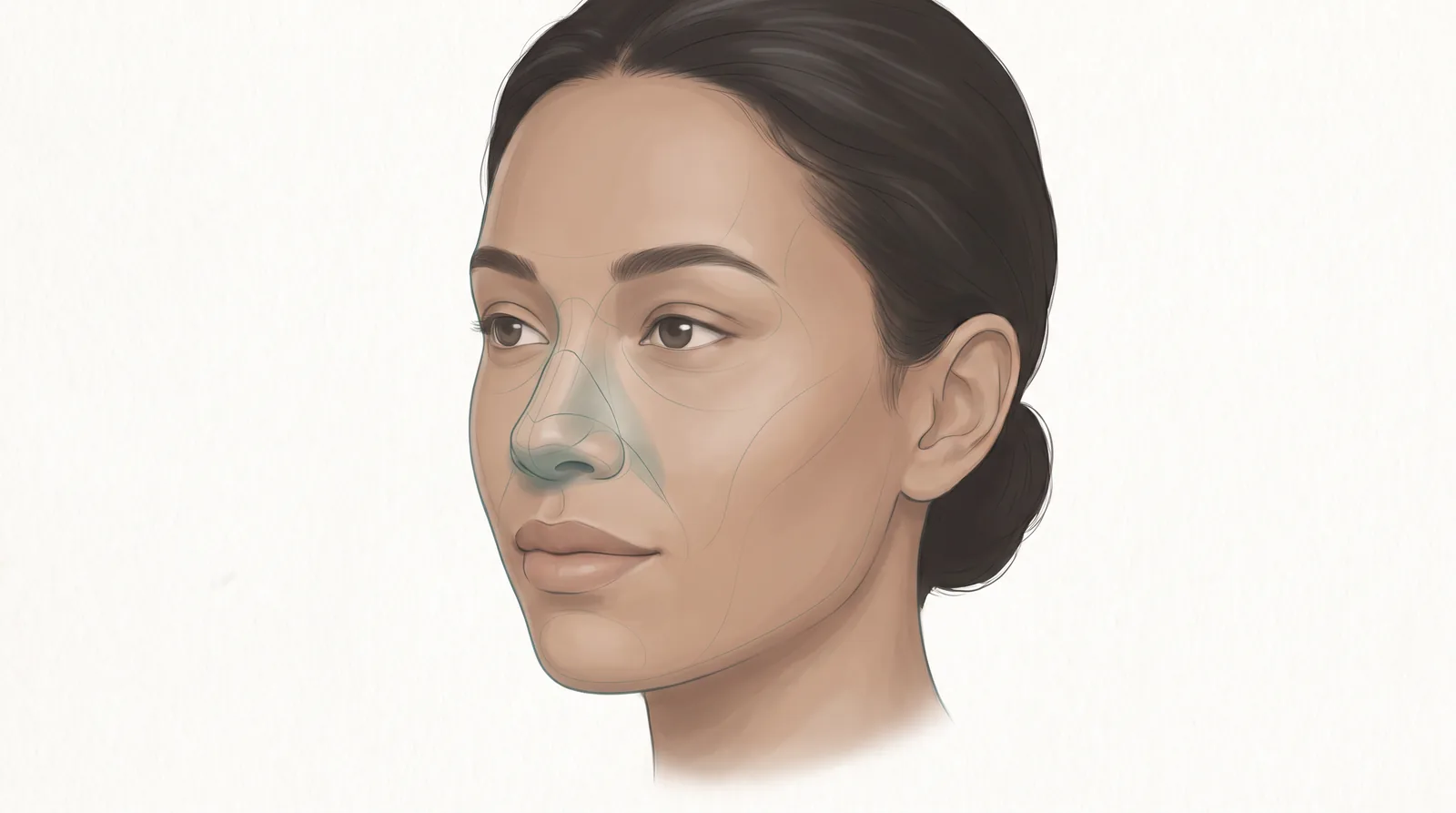
Rhinoplasty is widely regarded as the pinnacle of aesthetic facial surgery, demanding an extraordinary fusion of surgical precision, artistic vision, and deep functional understanding of nasal airway mechanics. In Dubai’s cosmopolitan aesthetic landscape, patients increasingly seek refinement that honors their ethnic identity rather than an artificial, cookie-cutter silhouette. Preservation rhinoplasty and structural grafting techniques allow surgeons to modify cartilage and bone bridges while safeguarding the keystone areas responsible for long-term nasal valve support and unobstructed airflow.
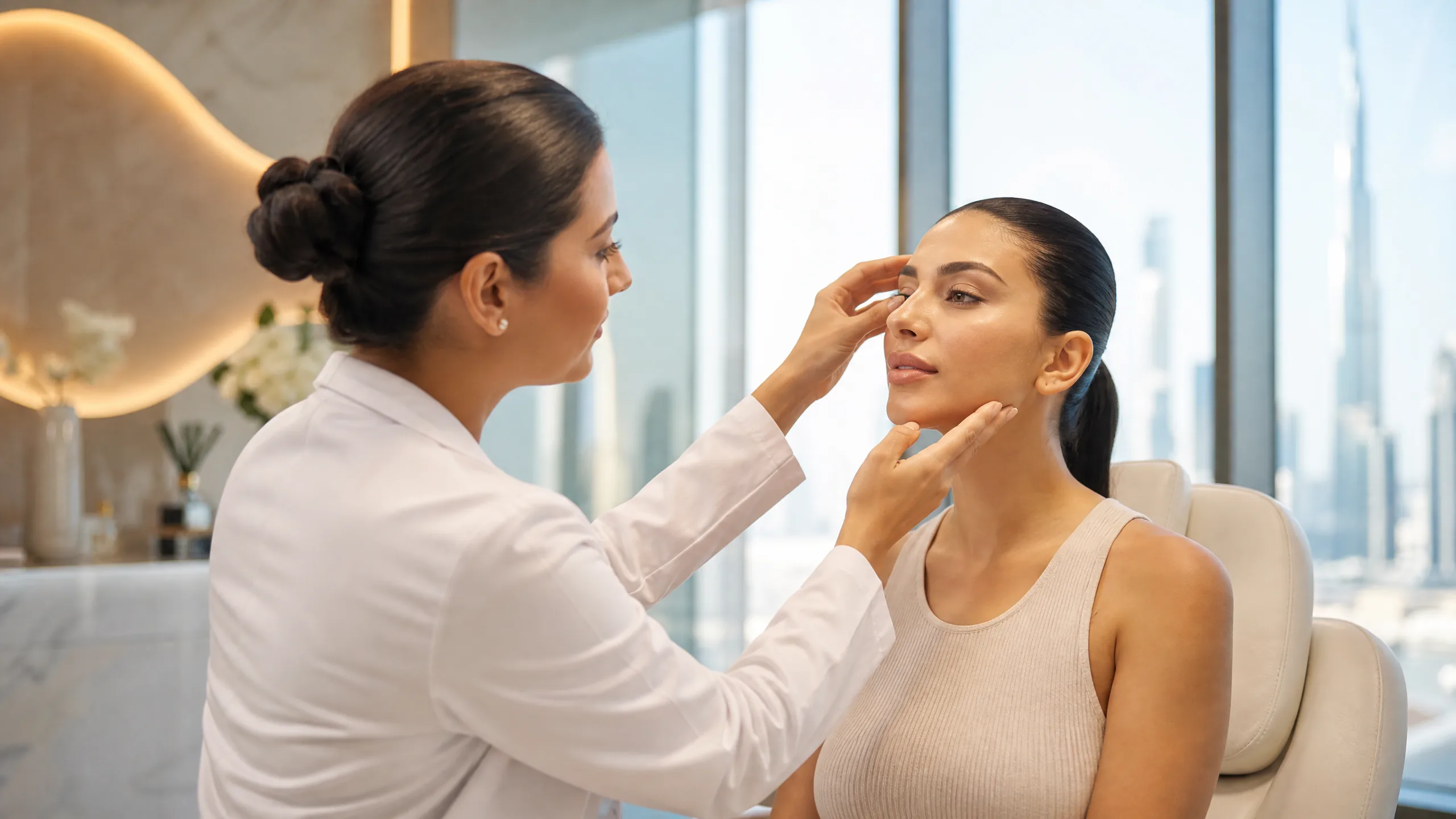
During your consultation at Almanara Emirates, high-resolution photographic simulation allows you to visualize potential bridge reductions, tip rotations, and alar base refinements before stepping into the operating room. Post-operative recovery involves gentle nasal splinting for one week, cold compress protocols to minimize ecchymosis, and precise follow-up care. The ultimate goal is a balanced nose that functions flawlessly and ages gracefully with your facial structure.
Frequently Asked Questions
Who may be considered for rhinoplasty?
Suitability depends on nasal anatomy, breathing, overall health, expectations, previous surgery and readiness for recovery. A photograph or online form cannot determine candidacy.
Can rhinoplasty address breathing as well as appearance?
It may be discussed when structural nasal issues affect breathing, but the functional plan requires a clinical examination and may differ from an appearance-focused procedure.
How long does swelling last after rhinoplasty?
Swelling changes gradually and can fluctuate during healing. The timeline depends on the technique and individual factors, so the surgeon should provide the specific follow-up plan.
Is the final rhinoplasty result guaranteed?
No. Surgery can be planned around realistic goals, but healing, tissue response, symmetry and the final appearance cannot be guaranteed.