Rhinoplasty recovery is often discussed in terms of swelling, splints and returning to daily routines. A smaller but important part of that recovery is how the skin and any incision are treated while they heal. This matters especially in a bright, outdoor environment such as Dubai, where a short walk, a car journey or time beside a window may involve meaningful ultraviolet exposure. Scar care is not about making a line disappear on command. It is about protecting newly repaired skin, avoiding unnecessary irritation and knowing when a change deserves the operating surgeon’s attention.
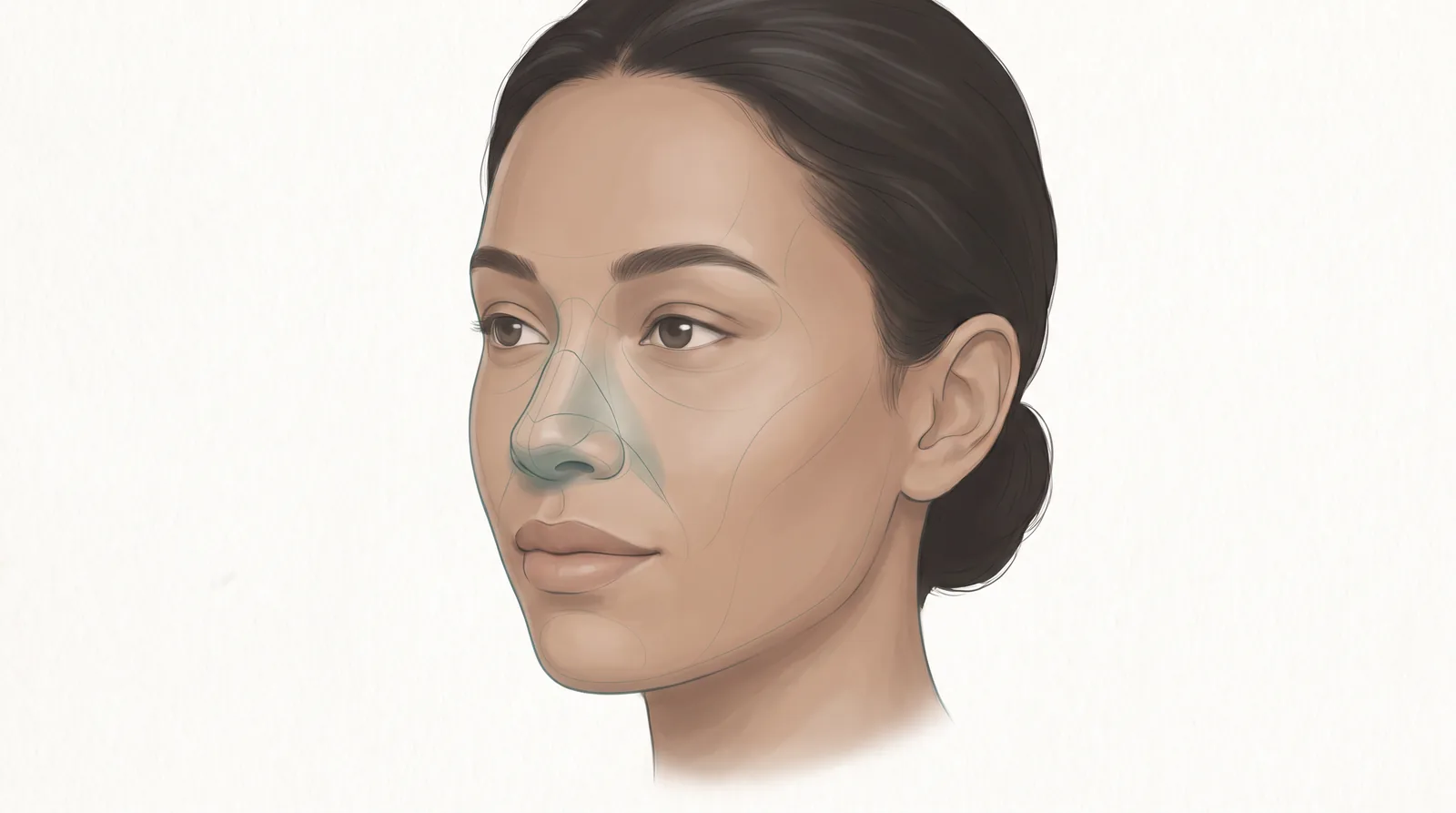
Not every rhinoplasty leaves the same visible mark. In an open approach, there is usually a small external incision across the columella, the strip of skin between the nostrils. In a closed approach, incisions are generally inside the nostrils, so there may be no external incision to treat. Either way, the nasal skin can remain reactive after surgery. A plan that distinguishes a closed, settled incision from a wound that is still healing is more useful than a one-size-fits-all skincare routine.
Start with the incision’s condition, not the calendar
The safest question is not “How many days has it been?” but “Is the incision fully closed and has my surgeon cleared the next step?” A closed incision is not draining or bleeding, its edges are together, and there is no open area or crust that keeps returning. Before that point, the surgeon’s postoperative instructions take priority. Applying sunscreen, silicone, massage products or cosmetic concealer to an open or draining incision can irritate the area, trap moisture or interfere with the care plan. Nothing should be placed inside the nostrils unless the surgical team has specifically directed it.
Once the surgeon confirms that external skin has healed sufficiently, the scar may still look pink, red, brown or slightly firm. These changes can be part of normal remodelling, but they also make the area easier to notice after sun exposure or friction. Scar colour is not a reliable clock: it can vary with skin tone, inflammation, the type of incision, individual healing and sun exposure. Photos taken in the same gentle light for personal follow-up can be more helpful than repeatedly inspecting the nose in harsh bathroom lighting. Bring any concern to a scheduled review rather than trying to correct it with several new products at once.
A practical way to make daily choices is to use three checkpoints. First, is the skin completely closed and cleared for topical products? Second, will the day involve direct sun, reflected sun from pavement or water, or a long outdoor period? Third, could a hat, mask, sunglasses or product rub against the bridge, tip or columella? If any answer raises doubt, choose the more protective option and ask the clinic. Protection should not create pressure or friction on a recovering nose.
Use layered sun protection rather than relying on one product
Ultraviolet radiation can encourage a healing scar to darken or remain more visibly discoloured than surrounding skin. It can also aggravate sensitive nasal skin. Sun protection therefore works best as a set of habits, not a single application of sunscreen. Seek shade where practical, especially during the brightest part of the day. Plan errands and outdoor exercise for gentler conditions when possible. A broad-brimmed hat can add useful coverage, provided it does not press on the nose or conflict with a splint, tape or the surgeon’s instructions. Sunglasses may also be restricted early on because their weight can rest on the nasal bridge; the appropriate choice is individual and should come from the surgeon.
For fully healed external skin, a broad-spectrum sunscreen with an SPF of at least 30 is a common baseline in dermatology guidance. A formula that feels comfortable is more likely to be used consistently. Some people with sensitive skin prefer a mineral sunscreen containing zinc oxide or titanium dioxide; others tolerate a different approved formula well. The important principles are broad-spectrum protection, suitability for facial skin and non-irritating use on skin that is already closed. A patch test away from the incision can be sensible for a new product, particularly for anyone with sensitive skin or a history of contact reactions.
Sunscreen should be applied carefully without hard rubbing across a tender incision. It needs regular reapplication during outdoor exposure and after sweating or water exposure, following the product label and the surgical team’s advice. It is not a substitute for shade. Reapply using clean hands; avoid sharing applicators, and do not use a stick, sponge or brush on a healing area if it has been used on other skin and cannot be kept clean. Do not use self-tanners, tanning beds or deliberate tanning to “blend” a scar. A tan may create more contrast and can make later colour changes harder to judge.
A covered scar still deserves thought. Light, loose fabric and a wet hat may not provide reliable UV protection, while tightly fitting coverings can chafe or transfer sunscreen, sweat and bacteria to the incision. In the early recovery period, physical protection must never dislodge dressings or place pressure on the nasal framework. The clinic’s directions about tape, splints and cleansing are more specific to the procedure than any general scar advice.
Choose scar-care measures cautiously and one at a time
After complete wound closure and clinician approval, some patients may be advised to use a silicone gel or sheet for an external scar. Silicone is not a universal requirement, and a small curved facial incision may need a different approach from a longer body scar. Sheets can lift in humid weather or irritate nearby skin; gels may be easier to apply precisely but can still cause sensitivity. Follow the product directions and stop using it if there is a new rash, burning, increasing redness or skin breakdown. Do not assume that a product with added SPF can replace all other sun-protection habits.
Massage is another area where enthusiasm can be unhelpful. Scar massage is appropriate only for skin that is fully healed and only when the surgeon agrees that pressure will not interfere with the surgical site. A rhinoplasty changes delicate internal and external tissues, so vigorous rubbing, pinching or repeated “moulding” of the nose is not standard scar care. If a clinician recommends massage, the technique, pressure and location should be demonstrated for that patient. Massage is not a way to reshape cartilage, remove swelling quickly or erase a scar.
Be selective about over-the-counter “scar remedies.” Fragranced oils, essential oils, acids, retinoids, scrubs and strong exfoliants can sting or inflame recovering facial skin. Vitamin E is often promoted for scars, but it is not a guaranteed solution and can trigger dermatitis in some people. Starting several products together makes it impossible to identify the cause if redness or itching develops. A simple routine approved by the surgeon is usually easier to follow: gentle cleansing as advised, a permitted product on a closed incision if needed, and reliable UV protection.
Scar treatment may be discussed if an external scar becomes persistently raised, itchy, painful, unusually tight or visibly darker than surrounding skin. The right response depends on the type of scar, skin tone, current healing stage and surgical details. It may be observation, a change in topical care, or a specialist treatment chosen after examination. It should not be a home procedure. Do not pick at scabs, use needles, attempt microneedling, apply bleaching agents, or schedule laser or peel treatments without clearance from the surgeon or an appropriately qualified skin specialist.
Safety boundaries and when to contact the clinic
**Treatment limits and safety:** Good aftercare can support comfortable healing and help limit avoidable sun-related colour change, but it cannot guarantee an invisible scar, a particular colour or a fixed recovery date. Scars mature differently from person to person. Contact the surgical team promptly for increasing rather than settling redness, warmth, worsening pain, spreading swelling, pus-like discharge, wound separation, fever, a new rash after a product, or a concern about breathing. Urgent symptoms should be assessed according to local medical advice. Do not wait for a routine scar-care appointment if an incision appears infected or opens.
**Medical notice:** This article is general education, not a diagnosis or personal postoperative plan. Your operating surgeon’s instructions override general online advice because they know the technique used, the state of the incision and your medical history.
Frequently Asked Questions ### 1. Does every rhinoplasty need scar cream?
No. Closed rhinoplasty commonly has no visible external incision, and even after an open approach, a dedicated scar product may not be necessary or appropriate for everyone. The first priority is uncomplicated wound healing. Ask the surgeon whether the columellar incision is fully closed and whether any product is appropriate before starting one.
2. Can I put sunscreen on the columella scar?
Sunscreen is generally considered only after the external incision has closed and the surgeon has approved topical use. Apply it gently to the external skin, not inside the nostrils. If sunscreen stings, causes a rash or cannot be used without rubbing a tender area, stop and seek advice; shade and clinician-approved physical protection may be preferable while the plan is reviewed.
3. My scar looks darker after being outdoors. Does that mean something has gone wrong?
It does not automatically mean a complication, but darker colour after UV exposure is a reason to strengthen protection and inform the clinic. A photo in consistent lighting can help the clinician assess the change. Seek earlier advice if darkening comes with increasing pain, heat, discharge, swelling or a change in the wound itself.
For a personalised discussion of rhinoplasty planning and postoperative care, visit our Rhinoplasty procedure page.