A facelift consultation is not a commitment to surgery. It is a structured conversation that helps a surgeon understand what concerns you, whether surgery may be appropriate, and what needs attention before any date is considered. A good consultation is most useful when it is candid. The details that may feel routine—an occasional shisha session, an over-the-counter pain tablet, a sleep problem, a previous reaction to anaesthesia, or a supplement bought online—can affect planning.
A facelift, also called rhytidectomy, is designed to address selected visible changes in the face and often the neck. It is not simply an appointment about photographs or a preferred technique. Your health history, healing capacity, medications, anaesthesia considerations, support at home and expectations are part of the same decision. Preparing these points in advance can make the consultation clearer and give the clinical team time to coordinate safely where needed.
Start with one complete medication and supplement list
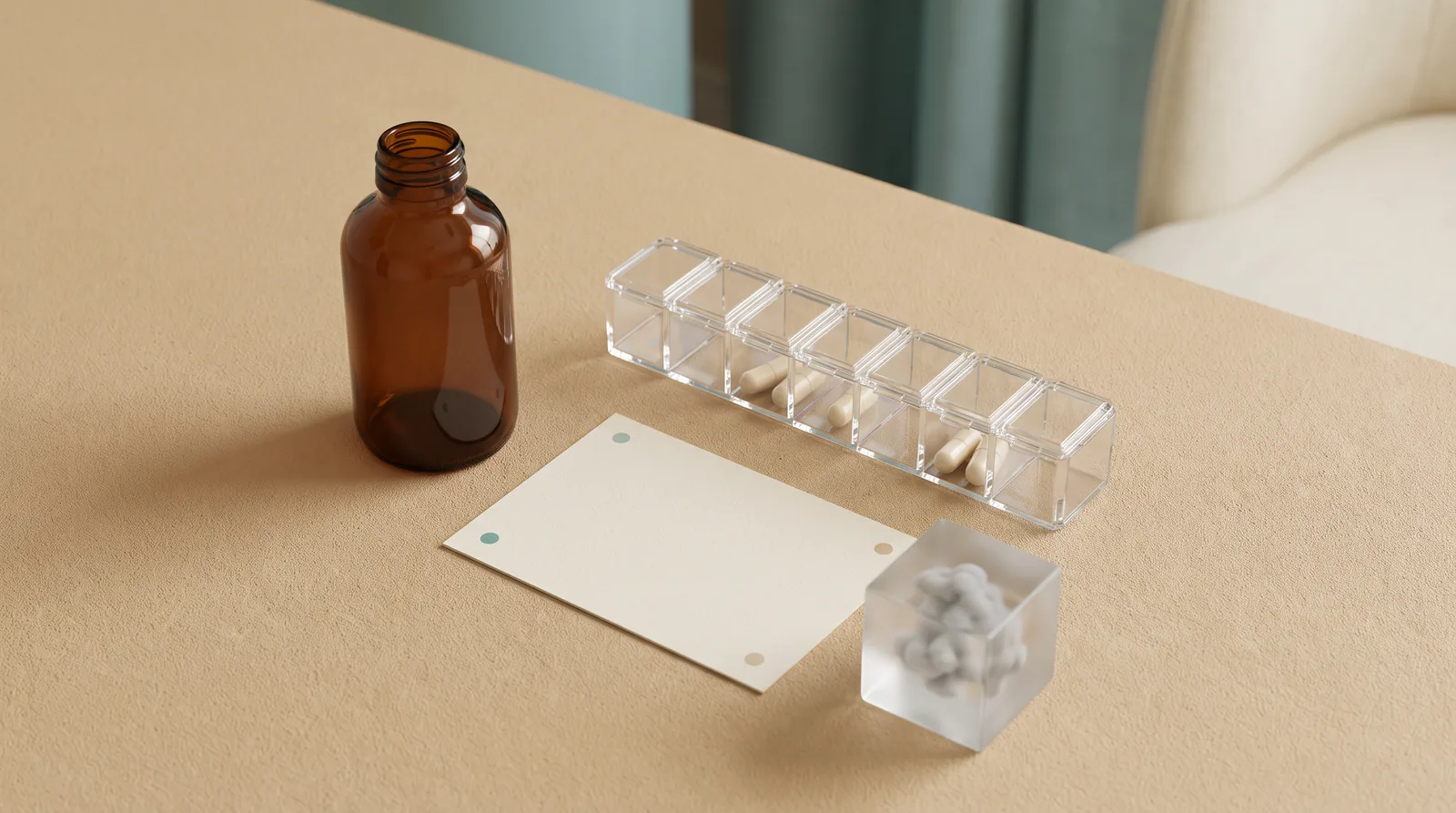
Bring a current list of everything you use, not only prescription medicines. Include the medicine name, strength if known, how often you take it and why you take it. Add over-the-counter pain relievers and cold remedies, vitamins, protein or wellness products, herbal preparations, injections, skin products taken by mouth, and any medication used only occasionally. If a list is difficult to make, bring the original bottles or clear photographs of labels. The aim is accuracy, not self-editing.
This review matters because some products can influence bleeding, bruising, blood pressure, blood sugar, sedation, nausea, wound healing or the way anaesthesia medicines are selected. Examples worth flagging include medicines that affect clotting, anti-inflammatory pain medicines, diabetes or weight-management treatments, steroids, hormone treatments and medicines for sleep, mood, pain, the heart or blood pressure. “Natural” does not automatically mean irrelevant: some herbs and supplements can affect bleeding or interact with anaesthesia.
The safe action is disclosure, not do-it-yourself changes. Do not stop, restart, reduce or substitute a prescribed medicine because a website or another patient suggested it. A medication that creates a surgical concern may also be essential for your health. The surgeon, anaesthesia clinician and, when appropriate, the prescribing doctor can decide whether a change is needed and how it should be managed. Ask who will give you the final written instructions and when to contact the team if your medicines change after the consultation.
It also helps to report allergies and what actually happened: for example, rash, breathing difficulty, severe nausea or another reaction. Mention prior operations, dental or facial procedures, injections, scars, skin treatments and any difficult recovery from anaesthesia. A family history of serious anaesthetic problems is relevant too. This is not administrative detail; it allows the team to identify questions that may need further assessment.
Discuss smoking, vaping and every source of nicotine openly
Nicotine and smoke exposure deserve a direct conversation before a facelift because facial surgery depends on a reliable blood supply for healing tissues. Smoking can reduce blood flow and oxygen delivery, and it is associated with slower healing and a higher chance of wound-related problems. It may also affect the lungs and heart around anaesthesia. These concerns are clinical rather than moral; withholding the information makes it harder to plan safely.
Tell the team about cigarettes, shisha, cigars, vaping, heated tobacco, chewing tobacco and nicotine pouches, as well as how often you use them and when you last used them. Mention nicotine replacement products too. A surgeon may have a nicotine-free policy or request a particular period of abstinence before and after an elective procedure. The exact plan varies with the procedure, your health and the practice’s protocol, so it should come from your own surgical team rather than a generic online timetable.
If stopping feels difficult, raise it early. The consultation can be the point to ask your primary-care clinician or a cessation service about evidence-based support. Do not assume that changing from smoking to vaping, or using a nicotine-containing product, is automatically acceptable for surgical preparation. Nicotine itself may remain relevant to tissue healing, and the team needs to know the full picture. Being honest may mean postponing an elective procedure while health risks are addressed. That can be a safety decision, not a personal failure.
Alcohol, cannabis and recreational substances also belong in this conversation. They can influence anaesthesia, pain control, sleep, hydration and recovery planning. Share use without fear of judgement and follow the instructions specifically given to you. Accurate information allows the clinical team to make safer decisions than assumptions do.
Put your general health and healing history in context
A consultation should look beyond the face. Expect questions about heart or lung conditions, high blood pressure, diabetes, thyroid disease, kidney or liver disease, bleeding or clotting disorders, immune conditions, sleep apnoea, allergies and current infections. Bring relevant test results or specialist letters only if the clinic asks for them; do not delay the consultation trying to collect every record. The clinician will explain whether a medical evaluation, laboratory testing or input from another treating doctor may be useful.
Sleep symptoms are particularly important to mention. Loud snoring, witnessed pauses in breathing, use of a sleep-apnoea device or feeling unusually sleepy in the day can affect anaesthesia planning. So can asthma, chronic cough, shortness of breath, chest discomfort, a recent respiratory illness or a history of blood clots. No single item automatically decides candidacy. Instead, the information helps the team judge whether surgery, anaesthesia or timing needs modification.
Discuss your usual weight pattern and nutrition in practical terms. Major recent weight changes, restrictive eating, dehydration or low appetite can matter to recovery. A stable routine, adequate food and fluids, sleep and sensible activity support overall readiness, but they do not eliminate surgical risk. If you are pregnant, breastfeeding, have a new illness, develop fever or start a new medicine after the appointment, notify the clinic promptly. The plan may need to be reviewed.
Emotional readiness matters as well. Explain what you would like to improve and what you hope will feel different in daily life. It is reasonable to want a refreshed appearance, but a healthy consultation also tests whether expectations match what surgery can realistically change. Bring photographs that explain the features you notice if helpful, but avoid treating edited images, filters or another person’s result as a blueprint. Your anatomy, skin quality, healing and facial movement are individual.
Turn the consultation into a practical planning meeting
Before you go, write down your three most important concerns and questions. You may ask which areas a facelift is intended to address in your case, what alternatives or no-treatment options exist, what type of anaesthesia may be considered, where the procedure would take place, and who will be involved in your care. Ask how the clinic handles an unexpected concern, how to reach the team after surgery and which symptoms require urgent contact. A qualified clinician should be comfortable discussing benefits, uncertainties, scars, recovery demands and potential complications in plain language.
Bring a trusted adult if you would like help taking notes. Consultations can involve a lot of information, and a companion can help you remember questions without speaking for you. Make sure your own priorities are heard. If you need time to think, it is appropriate to take it. Elective facial surgery should not be rushed because of a social event, a promotion or a limited-time offer.
Planning also includes the days after a possible procedure. Ask what kind of home support and transport would be needed, whether you would need to avoid driving after anaesthesia or pain medicine, and how follow-up is arranged. Think realistically about work, childcare, travel and privacy, without assuming an identical timetable for every person. Arrange practical support before booking rather than relying on a last-minute plan. If you live alone or will be travelling from another emirate or country, say so early so the team can discuss a suitable plan.
**Treatment limits and safety:** A facelift may improve selected signs of facial or neck ageing, but it cannot stop future ageing, guarantee symmetry, erase every line, replace good skin care or resolve concerns caused mainly by volume loss, skin texture or underlying health issues. Every operation carries risks, including bleeding, infection, healing problems, changes in sensation, scarring, anaesthesia-related events and the possibility that an additional treatment may be considered. The safest option may sometimes be to defer surgery, seek medical optimisation, choose another approach or decide not to proceed. A consultation is successful when it supports an informed choice, not when it automatically leads to surgery.
Frequently Asked Questions ### Should I stop my blood thinner, pain medicine or supplement before the consultation?
No. Keep taking prescribed treatment unless the clinician who manages it tells you otherwise. Bring the complete list to the consultation. The surgical and anaesthesia teams can advise on any needed changes and coordinate with your prescribing clinician when appropriate.
Do I need to mention occasional shisha, vaping or nicotine gum?
Yes. Mention all tobacco, vape and nicotine exposure, even if it is occasional or social. The team needs this information to assess healing and anaesthesia considerations and to give you instructions tailored to its protocol.
What should I prepare before deciding on a date?
Prepare your medication list, medical and anaesthesia history, questions and a realistic picture of home support, transport, work and travel. Ask the clinic what evaluations or clearances, if any, are required before a date is confirmed.
For a consultation focused on safe, personalised planning, explore the facelift service.