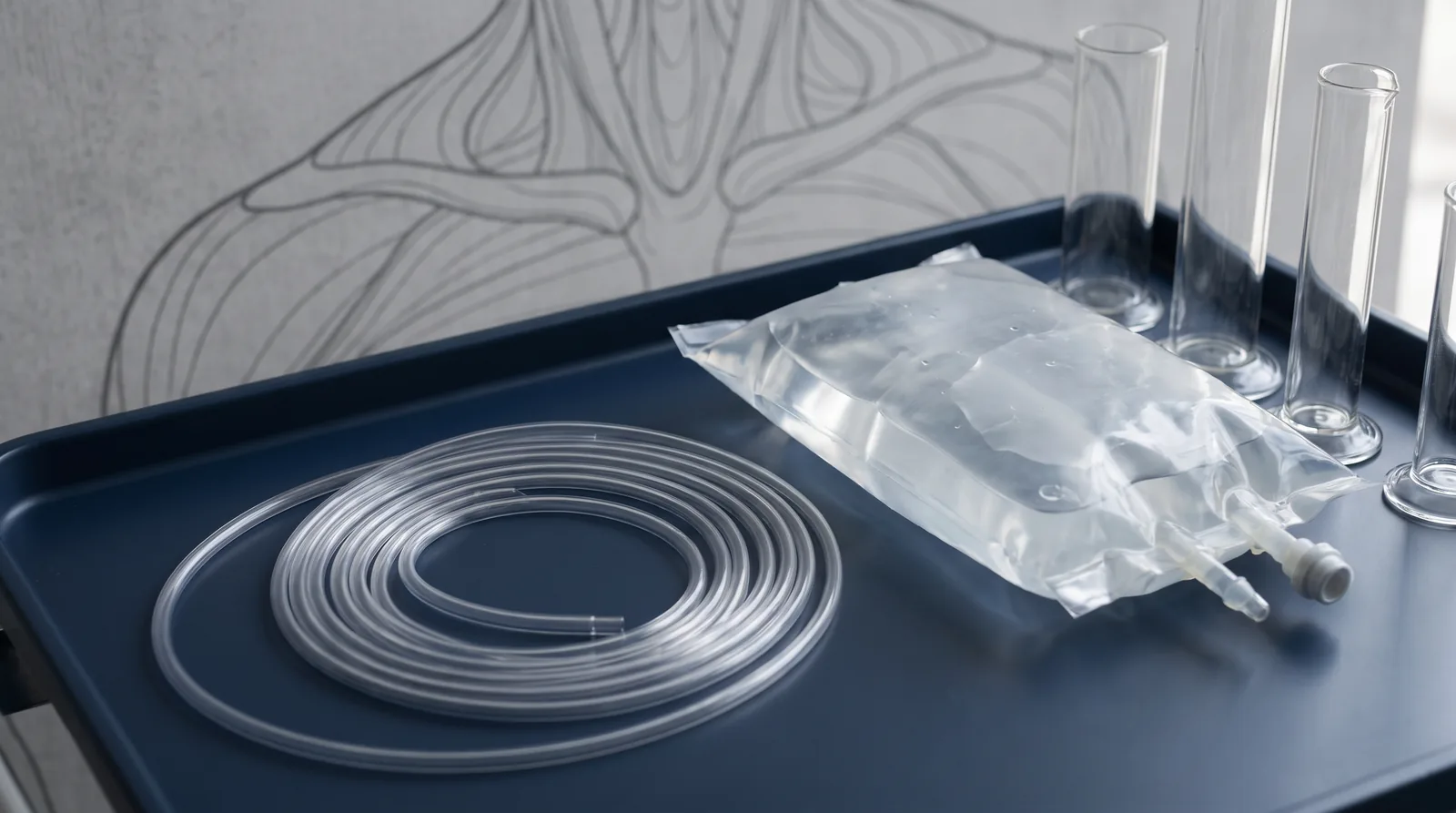
Tumescent liposuction is often described as a type of liposuction done with local anaesthetic. That description is true, but incomplete. The technique is defined by a carefully planned infiltration of dilute fluid into the fatty layer before aspiration. The fluid causes the tissue to become temporarily firm and expanded, which is where the word tumescent comes from. It is not simply a comfort measure or an automatic shortcut to a safer procedure.
The useful question is not whether a procedure carries the tumescent label. It is how the treatment plan accounts for the medicine, fluid, anatomy, setting and follow-up needs of one person. This article explains that safety logic in clear terms. It does not replace a consultation, clinical examination or advice from the treating team.
How fluid creates the tumescent field
In a tumescent approach, the clinician infiltrates the subcutaneous fat with a sterile dilute solution before using a cannula to remove selected fat cells. The solution commonly includes saline or another compatible fluid, a local anaesthetic such as lidocaine, and a medication that temporarily narrows small blood vessels, often epinephrine. The specific formulation and whether any additional anaesthesia is appropriate are clinical decisions, not fixed ingredients for every patient.
The fluid has several practical functions. It expands and firms the fatty layer, helping the clinician distinguish that layer from the structures above and below it. The local anaesthetic aims to make treatment tolerable. The vessel-constricting component is intended to limit small-vessel bleeding and slow the movement of local anaesthetic from the tissue into the bloodstream. This slower absorption is important, but it is not a licence to overlook the total amount of medication used.
After the field has been prepared, a fine cannula is passed through very small access points and moved through the fatty layer in controlled paths. Suction removes some fat along with some of the infiltrated fluid. The technical goal is gradual, even contour refinement rather than aggressive removal from one spot. A thoughtful plan respects the depth of the fat layer, the skin quality, previous scars and the relationship of the treatment area to deeper structures.
The term true tumescent liposuction is often reserved for a procedure performed using local anaesthesia with little or no additional sedating medication. In everyday conversation, however, the word may also be used for cases that include sedation or other anaesthesia. That difference matters. Sedation can alter breathing, awareness and the ability to recognise early symptoms, so the monitoring, personnel and recovery plan must match the actual anaesthetic plan rather than the label used in advertising.
The safety ledger: local anaesthetic, epinephrine and fluid
A safe tumescent plan starts with a ledger, not a vague estimate. The team records the concentration and volume of solution, then calculates the total local-anaesthetic and epinephrine exposure. That calculation needs to include any numbing injections, nerve blocks, creams or medicines used elsewhere on the same day. The treating clinician also considers body size, relevant medical conditions, liver function, and medicines that may slow the breakdown of lidocaine or affect the heart and circulation.
Tumescent local anaesthetic does not behave like a small routine dental injection. Fatty tissue has relatively limited blood flow, and epinephrine constricts vessels. Together, these factors can delay absorption. Blood levels may rise later rather than only during treatment. This is why a person can appear comfortable in the procedure room yet still need an appropriate observation and discharge plan. It is also why combining several local-anaesthetic techniques without a unified dose calculation can be unsafe.
Epinephrine has a different safety profile. Its temporary vessel-narrowing action can be useful, but it can also affect heart rate and blood pressure. A history of significant cardiac disease, rhythm problems, poorly controlled blood pressure, certain endocrine conditions or vascular disease may change whether and how it can be used. The answer is not a universal yes or no. It is an individual risk assessment by an appropriately qualified clinical team.
Fluid is part of the same ledger. Some infiltrated fluid leaves with the aspirate, while some is absorbed later. Large treatment areas or extensive fluid volumes can therefore create a risk of fluid imbalance, especially for people with heart, kidney or liver disease. Responsible planning considers the intended area, aspirate volume, duration, temperature management and whether a staged approach would be more appropriate. More treatment in one sitting is not automatically better treatment.
Assessment and monitoring in a real care pathway
Safety begins before any marks are placed on the skin. A consultation should clarify the actual concern and whether localised fat is the main contributor to the contour. Skin laxity, muscle separation, a hernia, significant weight change, prior surgery or a medical cause of body change may mean liposuction alone will not address the concern. Liposuction is a contouring procedure; it is not a treatment for obesity and does not replace sustainable weight management or medical care.
The clinical history should cover allergies, previous reactions to anaesthesia, past operations, smoking or nicotine exposure, current medicines and supplements, bleeding or clotting history, diabetes, infection, circulation issues and pregnancy status where relevant. Medication review is especially important because some prescription, over-the-counter and herbal products can affect bleeding, blood pressure, sedation or lidocaine metabolism. Patients should not stop prescribed medicines on their own; changes must be coordinated with the prescribing clinician.
A physical examination helps assess the quality of skin recoil, distribution of fat, scars, asymmetry and anatomical boundaries. The clinician may request tests or medical clearance when the history or planned procedure indicates a need. It is reasonable for an assessment to conclude that postponement, further evaluation, an alternative procedure or no procedure is the safer choice.
The setting is also part of the treatment. The practitioner’s training, the licensed facility, appropriate equipment, clear emergency protocols and personnel able to monitor the planned level of anaesthesia all matter. During treatment, the team may track blood pressure, pulse, oxygen level, comfort, temperature, fluid amounts and the medication record. For a more involved procedure, monitoring and recovery arrangements may need to be more extensive. The appropriate plan is determined by clinical complexity, not convenience.
Limits of treatment and signs requiring urgent advice
Tumescent technique can support controlled liposuction, but it cannot guarantee a particular shape, skin tightening or symmetry. Skin may not contract as hoped, and contour irregularity, persistent swelling, bruising, numbness, fluid collections, infection, scarring, pigment change or the need for further treatment can occur. Less common but serious complications can include significant bleeding, blood clots, fat embolism, injury to deeper structures, fluid overload and local-anaesthetic toxicity.
For that reason, safety continues after discharge. The care team should give written, procedure-specific instructions, a contact route and clear guidance about follow-up. New or escalating shortness of breath, chest pain, fainting, confusion, seizures, a racing or irregular heartbeat, severe pain, heavy bleeding, rapidly worsening swelling, high fever or one-sided leg swelling require urgent medical advice. These symptoms are not expected recovery milestones and should not be monitored at home without contacting a clinician or emergency service.
A balanced consent discussion also covers practical limits. Liposuction cannot remove loose skin in the way an excisional procedure can, and it does not treat every abdominal or body-contour concern. Results can evolve as swelling settles and tissues heal, but no clinician can promise a fixed timeline or a specific visual outcome. A person should feel able to ask why this technique, extent, anaesthetic approach and facility are suitable for their circumstances.
Frequently Asked Questions ### Is tumescent liposuction the same as liposuction under general anaesthesia?
No. Tumescent refers to infiltration of a large volume of dilute fluid into fat before aspiration, commonly with local anaesthetic and epinephrine. A procedure may be performed with local anaesthesia alone, minimal sedation, or another anaesthetic plan depending on the individual and the planned treatment. The safety requirements change with the anaesthesia depth and procedure complexity. Ask specifically what anaesthesia and sedation, if any, are planned and who will monitor them.
Why does the team ask about medicines that seem unrelated to cosmetic treatment?
The question is directly related to safety. Some medicines and supplements can change bleeding risk, interact with sedatives, affect heart rhythm or blood pressure, or alter how the body processes local anaesthetic. Sharing a complete and current list helps the clinician calculate risk and coordinate safely with other prescribers when needed. Do not withhold supplements, occasional medicines or recreational substance use; the purpose is safer care, not judgement.
Does an awake procedure mean it has no serious risks?
No. Being awake or lightly sedated may be suitable for some people and procedures, but it does not remove surgical, fluid-related, clotting or medication-related risks. It also does not make every treatment volume or body area appropriate. The quality of the assessment, dose calculation, monitoring, facility standards and aftercare plan is more meaningful than whether the patient is awake alone.
For a clinician-led discussion of body-contouring options and the questions that matter in an individual assessment, visit our liposuction procedure page.
**Medical notice:** This article provides general education only. It is not a diagnosis, a treatment recommendation or a substitute for assessment by a qualified clinician. In an emergency or if concerning symptoms occur after a procedure, seek urgent medical help.