Otoplasty recovery is easier to plan when you think of it as a series of small protection steps rather than one fixed timetable. The ears may be swollen, tender, numb or itchy at first. Your surgeon’s instructions take priority because the dressing, sutures, surgical technique, age and general health all affect the plan. This guide explains common arrangements so you can organize help, sleep and daily commitments without treating general information as a personal prescription.
**Medical notice:** This article is educational and does not replace an examination or the written instructions of your operating surgeon. Contact your clinic for advice about your own dressing, medicines, wound and return to activity. Seek urgent help for severe or rapidly worsening symptoms.
The first days: protect the repair
After otoplasty, the ears are usually covered with a dressing or a light compression bandage. It protects the incisions, limits accidental rubbing and helps support the ears while early healing begins. Keep it in place unless the surgical team tells you to remove or change it. Do not loosen it to inspect the ears, add unapproved padding or try to correct an uneven appearance yourself. A dressing can feel tight, warm or uncomfortable, but increasing pressure or pain should be reported.
Arrange for an adult to take you home if you have had anaesthesia or sedation. Rest is sensible on the first day, with someone available to help with medicines, meals and getting around safely. Mild soreness, bruising, tingling or reduced sensation can occur. These symptoms should be discussed at the planned review if they persist, but a clear deterioration is a reason to call sooner.
Dressing and bandage care
Follow the exact schedule for the first dressing and stitch review. Many services remove a head bandage and assess the wounds around the first week, while some sutures dissolve and others need removal. The timing is not interchangeable between patients. Keep the bandage clean and dry. If it becomes wet, slips, smells unusual, is soaked with blood or causes escalating pressure, call the clinic rather than improvising a replacement.
Do not apply creams, antiseptics, antibiotic ointment or household products unless prescribed or specifically approved. If a small amount of dried blood is present, do not scrub it. Never pull at a visible stitch or cut material close to the ear. The clinic can tell you how to handle a loose edge safely.
Sleeping after otoplasty
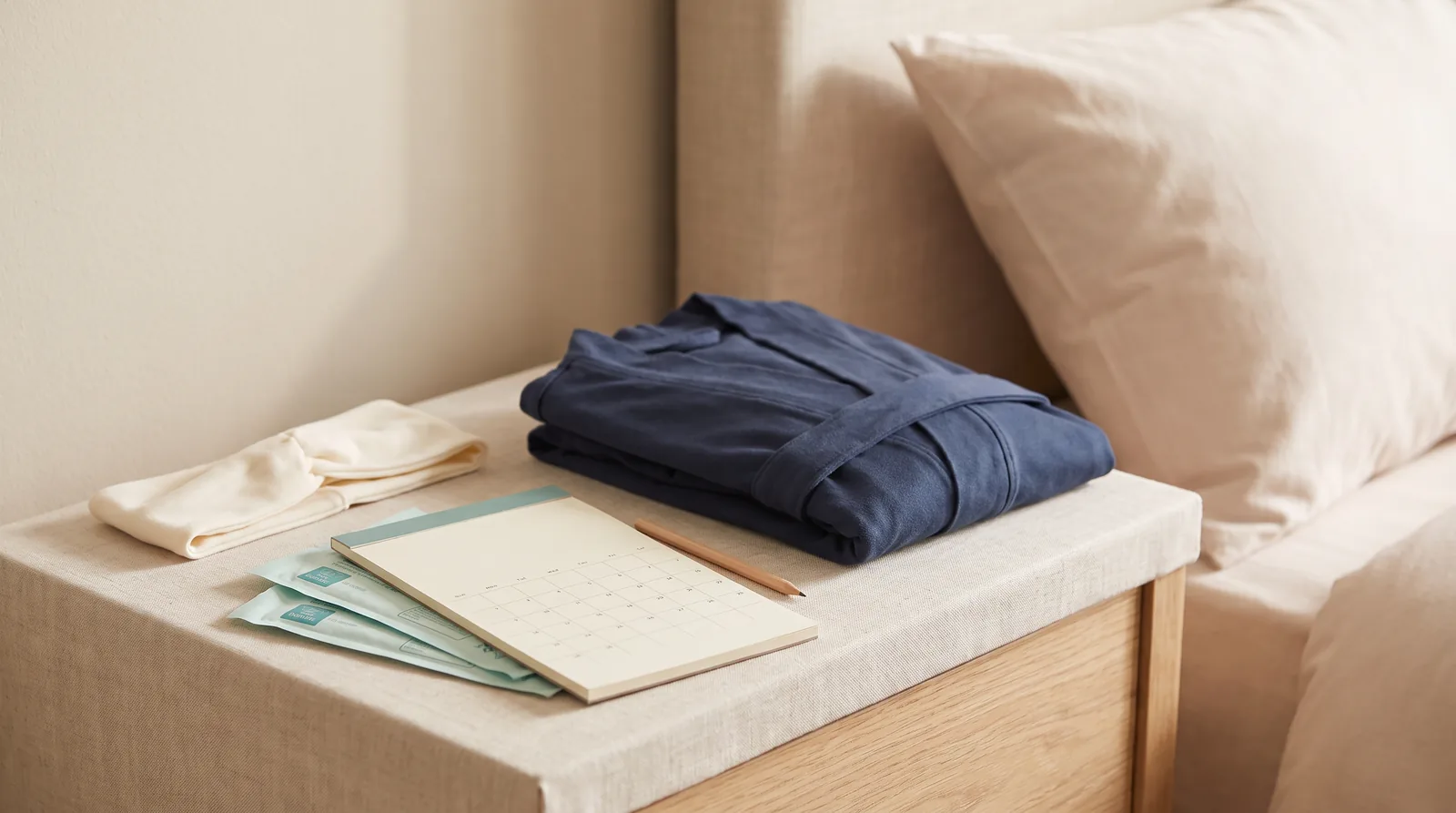
Sleep is often the most awkward part of the first week because pressure on the side of the head can irritate the repair. Unless your surgeon gives different instructions, plan to sleep on your back and keep the ears free from direct contact with the pillow. Raising the head slightly with extra pillows or a suitable wedge may make resting more comfortable and can help you avoid rolling onto one side. Do not use a position that bends the neck or makes breathing difficult.
Once the main dressing is removed, your surgeon may recommend a clean, soft, flexible headband, especially at night. Its purpose is to reduce accidental folding, rubbing or catching of the ears while you turn in sleep. It should not be painfully tight, hot or numb the skin. Ask the clinic what type to use, how it should sit, and when it can be stopped. A sports band or improvised wrap is not automatically safe.
Keep pillowcases clean and avoid sharing bedding during the early wound-healing period. Children may need supervision so they do not pull at the ears or remove the band. Adults can prepare the sleeping area before surgery by placing pillows to discourage side-lying and by keeping phones, pets and small children from bumping the head at night.
Washing, hygiene and incision care
Your discharge instructions should state when hair washing and showering can resume. If the bandage must stay dry, protect it exactly as directed and keep shower water away from the ears. Do not soak the ears in a bath, pool or sea until the surgeon confirms that the incisions are ready. When washing is permitted, use gentle handling and pat the area dry; rubbing, scratching and hair tools can traumatize tender skin.
Avoid hair products, earrings, tight glasses arms or headphones that press on the operated area until cleared. Do not put cotton buds, fingers or other objects into an incision or ear canal. Hand hygiene matters: wash your hands before any approved wound care, and ask before using a topical product. In Dubai’s warm weather, sweating can make a bandage damp, so tell the team if moisture is persistent rather than removing the dressing independently.
Activity, exercise and protection
Short, easy walking around the home is usually more appropriate than complete bed rest once you are alert and steady, but your surgeon’s plan comes first. Avoid bending, straining, heavy lifting and vigorous exercise early on because they can increase throbbing, bleeding or swelling. Progress should be gradual: an activity that causes pulsing pain, fresh bleeding or increasing swelling is too much for that stage.
Contact and collision are the main concerns. Delay sports in which a ball, opponent, helmet or equipment could hit the ears. Swimming, diving and water activities also wait until the wounds are healed and your surgeon permits them. Do not assume that a soft headband makes contact sport safe. Ask about cycling, gym training, martial arts and school physical education separately.
Sun and heat can make early swelling more noticeable and may irritate healing skin. Follow the clinic’s advice about shade and sun protection, and do not place sunscreen or other products on an incision until approved. Avoid smoking and second-hand smoke because they can interfere with wound healing.
Planning school or work
Many children return to school after roughly one to two weeks, but the right date depends on comfort, the dressing, transport and whether the school can prevent teasing, touching or physical play. Ask for temporary exemption from sports and rough games. A note can explain that the child should not have pressure on the ears, wear restrictive headgear or participate in contact activities.
Adults with desk-based work may return when alert, comfortable and able to follow wound precautions. Jobs involving heat, dust, helmets, lifting, close contact or outdoor exposure may need a longer adjustment. Arrange transport if pain medicine or anaesthesia makes driving unsafe. Planning a quiet first day back is often more useful than trying to meet a standard deadline.
Follow-up and what the surgeon checks
Attend every planned review even if the ears look well. The team may check the incision, swelling, skin colour, sutures, dressing fit and the position of each ear. They can also adjust the headband plan, advise on washing, discuss pain control and clear you for work, school, exercise or swimming. Early appearance is not the final assessment: swelling and stiffness can change gradually. Do not compare day-to-day photographs as if they were a clinical examination.
Keep a short record of medicines, temperature, pain pattern and any drainage. Bring questions such as whether the ears can be gently cleaned, when glasses or headphones are acceptable, and what to do if a stitch becomes visible. If you cannot attend, reschedule promptly rather than abandoning follow-up.
When to contact the clinic
Contact your surgical team promptly for pain that is severe, worsening or not controlled as instructed; rapidly increasing swelling; new marked redness or warmth; persistent bleeding; fluid, pus or an unpleasant-smelling discharge; wound separation; fever or chills; or an ear that suddenly becomes very tense or changes colour. These signs do not prove a complication, but they need clinical assessment.
Seek urgent medical help for trouble breathing, chest pain, fainting, confusion or another emergency symptom. If you are unsure, call the clinic or local emergency service rather than waiting for the next appointment. Do not start leftover antibiotics or change prescribed medicines without medical advice.
For the complete service overview alongside recovery planning, visit the Otoplasty procedure page. If you choose to review clinical imagery, view the Otoplasty Before & After gallery with the understanding that recovery and final appearance vary between individuals.
Frequently Asked Questions
When can I sleep on my side after otoplasty?
There is no universal date. Avoid direct pressure on the ears at first and return to side-sleeping only when your surgeon confirms that the wounds and cartilage support can tolerate it. A night headband may be advised for several weeks.
How long should I stay away from sport?
Light activity may resume in stages, but heavy exercise and contact sports require separate clearance. Swimming and collision risk are usually delayed longer than desk work. The safe date depends on healing, the type of sport and your surgeon’s examination.
Is swelling or numbness normal?
Some swelling, tenderness, itching, tingling or numbness can occur for days or weeks. It should trend gradually in the right direction. New severe pain, rapidly increasing swelling, fever, drainage or a colour change needs prompt medical contact.
When you are considering otoplasty, a consultation can turn general recovery advice into a plan for your procedure, home support and schedule. Book an Otoplasty Consultation