Why the consultation matters
An otoplasty consultation is not a promise of surgery. It is a structured conversation and examination to decide whether changing the shape, position or proportion of the outer ear fits your goals, anatomy and health. Otoplasty may address ears that project more than you would like, an underdeveloped fold, a size concern or a difference that followed injury. It does not improve hearing, and a good plan may sometimes be to wait, seek another opinion or choose not to operate.
In Dubai, start by confirming who will examine you, where the procedure would take place and how follow-up is arranged. Ask about the surgeon’s training, experience with the relevant ear anatomy, hospital or clinic accreditation, and the anaesthesia team. You should have time to consider the recommendation rather than feeling pushed to book on the same day. If the patient is a child or teenager, the discussion should include the young person’s own understanding and willingness, not only a parent’s preference.
Prepare your goals before you attend
Write down what bothers you in your own words. Is it forward projection, a missing or shallow antihelical fold, an uneven upper pole, a large conchal bowl, a stretched earlobe or a difference between the two ears? Some people want a subtle reduction in prominence rather than ears held tightly against the head. Others care more about a particular view in photographs. Naming the concern helps the surgeon separate a realistic anatomical goal from a general wish to look “better.”
Bring a short list of priorities. You can say which features you would prefer to preserve, what you do not want changed and whether you are considering surgery for yourself or responding to teasing, family pressure or a recent event. A consultation should also explore expectations about visibility of the ear from the front, side and back. No operation can guarantee perfect symmetry, and natural ears are not identical before surgery.
Tell the clinician about previous ear surgery, piercing problems, trauma, skin conditions, keloid or raised-scar history, allergies, bleeding problems and any condition that affects healing. Bring a complete list of prescribed medicines, over-the-counter products, vitamins, herbal supplements, nicotine use and relevant alcohol or recreational drug use. Do not stop a medicine or supplement unless the clinician who manages it gives you a plan. Pregnancy, recent illness and poorly controlled medical problems may change timing or suitability.
What examination and photographs are for
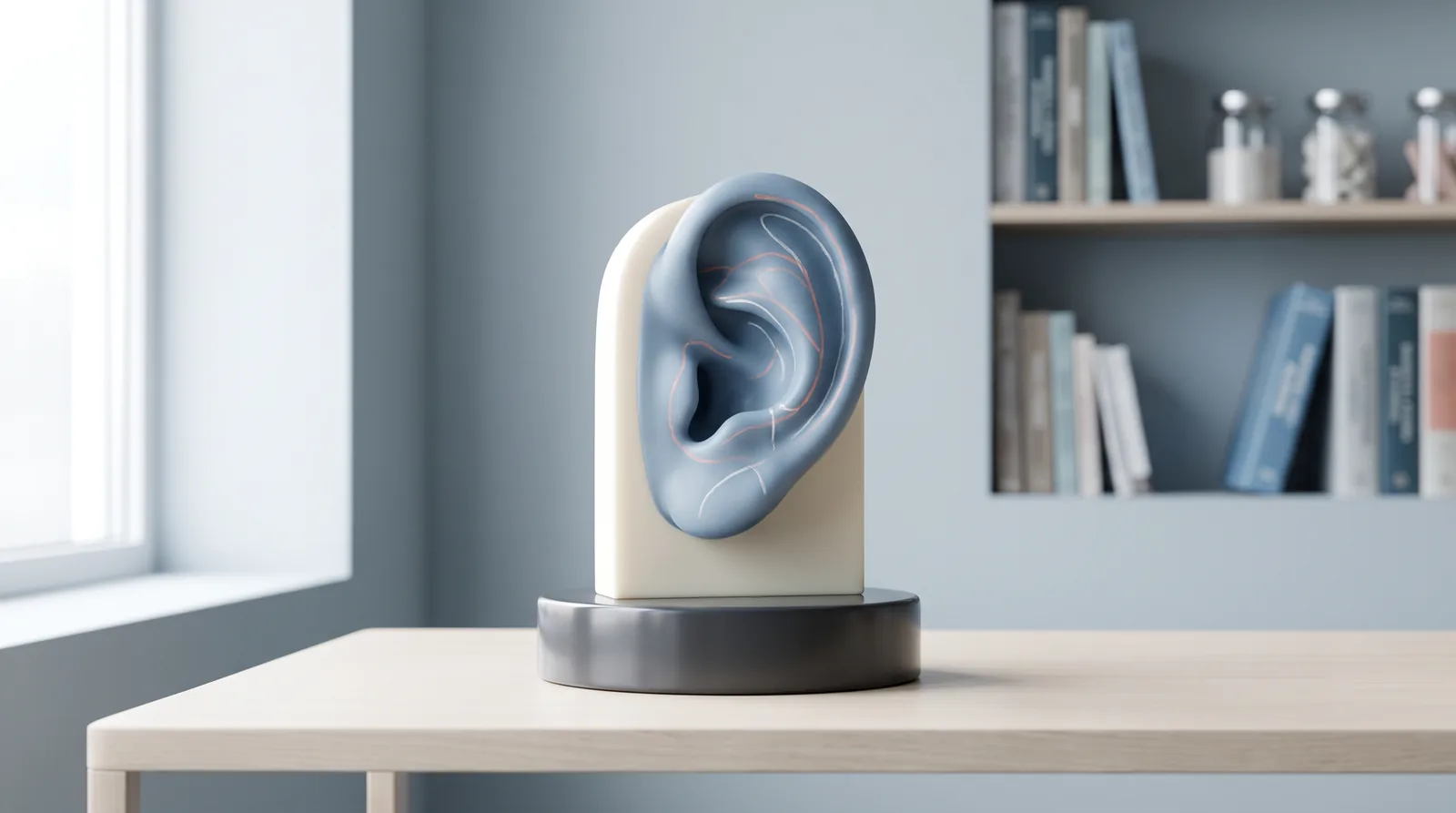
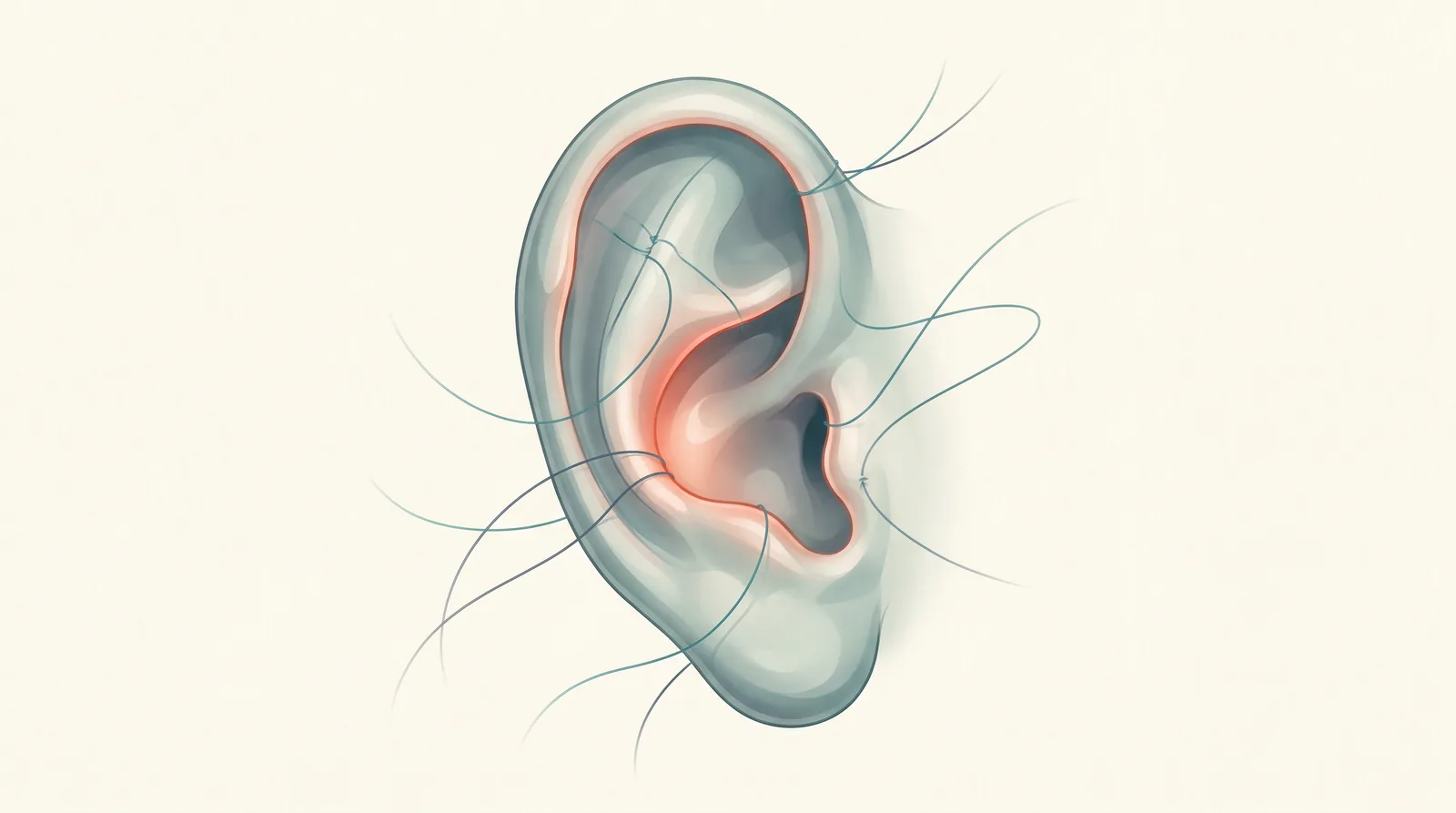
The surgeon will examine both ears and the surrounding head shape. The assessment may consider projection, height, width, cartilage thickness, the conchal bowl, the antihelix, the lobule, skin quality and how each ear relates to the other. The face and hairline may also matter because they influence how the ears are seen. If you have pain, discharge, hearing symptoms or a history of significant trauma, explain it; cosmetic reshaping is not a substitute for an ear-health assessment.
Clinical photographs are usually taken for the medical record and planning. They may include front, three-quarter, side and rear views, with the head positioned consistently. Photographs can help compare the planned changes and document baseline asymmetry. They cannot predict the final appearance or replace a physical examination. Ask who can access the images, how they are stored and whether any image could be used for teaching or publication.
Computer imaging, sketches or mirror marking can be useful conversation tools, but they are not a guarantee. Ask the surgeon to point out which changes are technically feasible and which are uncertain. Request an explanation in plain language if a drawing shows an idealized result. The most useful plan describes limits as clearly as it describes intended improvements.
Discuss technique without choosing a label
Otoplasty is a family of approaches, not one identical operation. Depending on the anatomy and goal, a surgeon may reshape cartilage with sutures, score or modify cartilage, reduce selected tissue, set the ear back, or combine steps. Some plans use an incision behind the ear; selected cases may be discussed with less invasive or incisionless methods. The method should follow the examination rather than a marketing label.
Ask: What exact feature are you correcting? Where will the incision be? Will cartilage be removed, folded or supported with sutures? How will the ear be positioned relative to the head? What happens if the cartilage is unusually firm, thin or asymmetric? Ask whether both ears will receive the same steps. Often they will not, because the starting anatomy may differ.
An informed plan includes alternatives. These may include observation, delaying surgery, a different technique, or no procedure. Ask what the surgeon would recommend if you chose not to operate now. If you are seeking correction after an earlier operation, ask how scar tissue changes the plan and whether more than one stage might be needed.
Scars, symmetry and realistic outcomes
A common incision is placed in the crease behind the ear, where it may become less conspicuous with healing. A scar is still a permanent change. It can remain visible, widen, become thick or dark, or heal differently on each side. Ask how your personal scar history affects the discussion, what wound care is planned and which symptoms require review. Avoid assuming that a hidden incision means an invisible scar.
Symmetry is a planning goal, not an absolute outcome. Differences in cartilage, skin tension, head position and healing can produce small variations. An ear may look different during early swelling, and final settling takes time. Ask how the surgeon will document asymmetry before surgery, what degree of difference is considered acceptable, and what options exist if a significant problem persists after healing. Revision surgery has its own risks and should not be treated as an automatic solution.
Anaesthesia, setting and day-of-surgery logistics
The anaesthesia plan depends on age, health, anxiety, the extent of surgery and the facility. Otoplasty may be performed with local anaesthesia, sometimes with sedation, or under general anaesthesia. Ask who will administer it, what monitoring is used, whether fasting is required, how pain and nausea are handled, and when you can safely leave. The surgeon should explain risks relevant to your medical history rather than offering a generic assurance.
Ask whether the operation is planned as day surgery and who must accompany you home. Arrange a responsible adult to stay available after discharge if advised. Plan transport rather than driving yourself. Clarify what happens if you develop a cold, skin infection, fever or change in medication before the procedure. These practical details are part of safety and informed consent.
Recovery support in Dubai
A dressing or head band may be used to protect the ears and support their early position. Keep it clean, dry and in place exactly as instructed; do not adjust it because it feels tight or itchy without contacting the team. Some people are advised to sleep on their back and avoid pressure on the ears. Button-front clothing can reduce accidental pulling over the head.
Tenderness, bruising, swelling, itching, tingling or temporary numbness can occur. The timing of dressing and stitch review varies by technique and healing. Visual improvement may be noticeable before the tissues have fully settled. Ask for a written plan covering prescribed pain relief, wound care, bathing, hair washing, work or school, exercise, swimming and contact sports. Do not use a headband, cream or antiseptic unless the team recommends the product and timing.
Before booking, identify the clinic’s after-hours contact and the person who reviews urgent concerns. Ask which symptoms need prompt assessment, such as increasing pain, marked swelling on one side, bleeding that does not settle, fever, wound discharge or an injury to the ear. Keep every follow-up appointment, even if the ears look acceptable. The schedule may include an early dressing check and later reviews as swelling and scars mature.
Recovery planning is especially important for visitors to Dubai. Allow enough local time for the first review and ask how remote advice works if you return home. Secure copies of your discharge instructions, medication list and emergency contact details. If a child is having surgery, arrange supervision and a break from rough play, school activities or sports for the period recommended by the surgeon.
Questions that support informed consent
Take these questions to the consultation:
- What is my main anatomical issue, and what change is realistic for it?
- What are the alternatives, including waiting or not having surgery?
- Which technique do you recommend, and why is it suitable for my cartilage and skin?
- Where will the scars be, and how might my previous scars affect healing?
- How will you assess and document asymmetry?
- Will local anaesthesia, sedation or general anaesthesia be used, and who provides it?
- What are the important risks for me, including bleeding, infection, cartilage inflammation, numbness, scar change, asymmetry or recurrence of prominence?
- What dressing, sleep position and activity restrictions should I expect?
- When are the first and later follow-up visits, and who do I contact outside office hours?
- What would happen if healing is delayed or the result needs reassessment?
You should be able to repeat back the plan, expected discomfort, alternatives, material risks and recovery responsibilities. Consent is meaningful when you understand what is known, what is uncertain and what you are agreeing to. You can ask for time, bring a trusted person, request an interpreter or seek a second opinion.
A calm next step
A careful consultation turns a broad wish into a specific, shared plan. Bring your questions, disclose your health information accurately and judge the quality of the explanation as well as the proposed technique. If the assessment is appropriate and you feel informed, you can decide whether to proceed at a pace that allows safe preparation.
Book an Otoplasty Consultation
**Medical notice:** This article is general education, not a diagnosis or a surgical recommendation. Otoplasty suitability, technique, anaesthesia, risks and recovery must be determined by an appropriately qualified clinician after an individual examination. Seek urgent medical care for severe pain, heavy bleeding, breathing difficulty, fever or rapidly worsening swelling after any procedure.
Before or after your consultation, review the Otoplasty procedure page for the service overview. For a visual discussion with the clinical team, open the Otoplasty Before & After gallery. Published images illustrate individual cases only and should not be read as a promise of a similar outcome.
Frequently Asked Questions
1. Does otoplasty improve hearing?
No. Otoplasty changes the external ear’s shape or position and is not intended to improve hearing. Hearing symptoms, discharge or recurrent ear disease need an appropriate medical assessment.
2. Will the ears be perfectly identical after surgery?
No result can promise perfect symmetry. The consultation should document natural differences and explain how technique, swelling and individual healing can affect the final balance.
3. How long should I plan to stay available for follow-up?
The answer depends on the operation and your surgeon’s protocol. Many patients have an early dressing or wound review followed by additional checks over the next few weeks. Ask for a schedule before arranging travel, work or school.