Who May Be a Candidate for Otoplasty?
Otoplasty, sometimes called ear pinning or ear reshaping, is a procedure that changes the position, shape, size, or proportion of the external ear. People commonly ask about it when the ears appear prominent, differ from one another, or have a contour that has been present since birth or changed after an injury. The important question is not whether an online image looks similar to yours. It is whether your anatomy, goals, age, general health, and expectations can be assessed safely in person.
A consultation should turn a broad concern—“my ears stick out” or “one ear looks different”—into a specific clinical discussion. The surgeon examines both ears from several angles, listens to what bothers you, and explains which changes may be realistic. Otoplasty is primarily an appearance procedure; it does not normally improve hearing. It also cannot make every ear perfectly identical, because natural ears and faces are not mirror images.
**Medical notice:** This educational article cannot determine whether you are a candidate or replace an examination by a qualified surgeon. Decisions about otoplasty, anesthesia, medicines, timing, and aftercare require a personal assessment. Seek prompt medical care for a painful, red, injured, or suddenly swollen ear rather than treating the symptom as a cosmetic concern.
What “candidate” means in clinical practice
Being a possible candidate does not mean that surgery is automatically recommended. It means that a clinician can identify a defined concern, assess the relevant cartilage and skin, review health factors, and discuss a reasonable balance between potential benefit and surgical trade-offs. The decision should be voluntary and informed, not driven by teasing, social pressure, a trend, or a filtered photograph.
For a child, the conversation includes the child’s own view. A parent may notice prominence, but the child should be able to express feelings, understand the basic plan, and participate in care instructions. A cooperative child who is distressed by the appearance may be considered after the ear has developed enough for the planned correction. Timing varies; age alone is not a clearance for surgery.
Teenagers and adults may also be assessed. Adults do not lose the possibility of candidacy simply because the concern is longstanding. The surgeon will consider cartilage flexibility, skin quality, previous trauma or operations, and whether the requested change fits the ear’s structure. A stable health profile and a willingness to follow wound and activity advice are important at any age.
Prominent ears: what the examination looks for
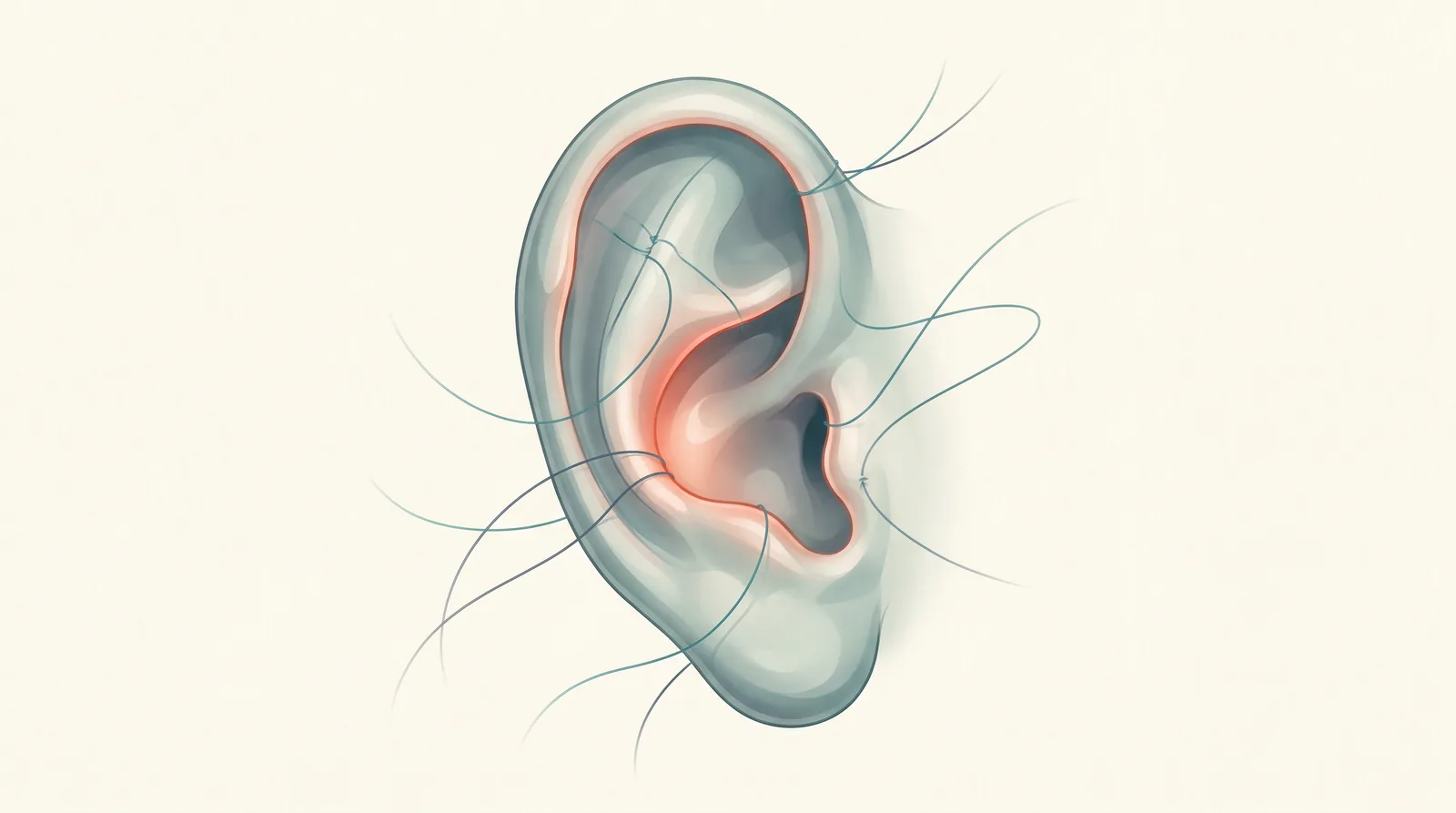
“Prominent” is a description, not a single diagnosis. The ear may project farther from the head because the antihelical fold is underdeveloped, the conchal bowl is deep, the angle between the ear and scalp is wide, or several features occur together. The upper, middle, and lower portions may not project in the same way. An ear can also look prominent because of its size, lobule position, or the relationship between the ear and the side of the head.
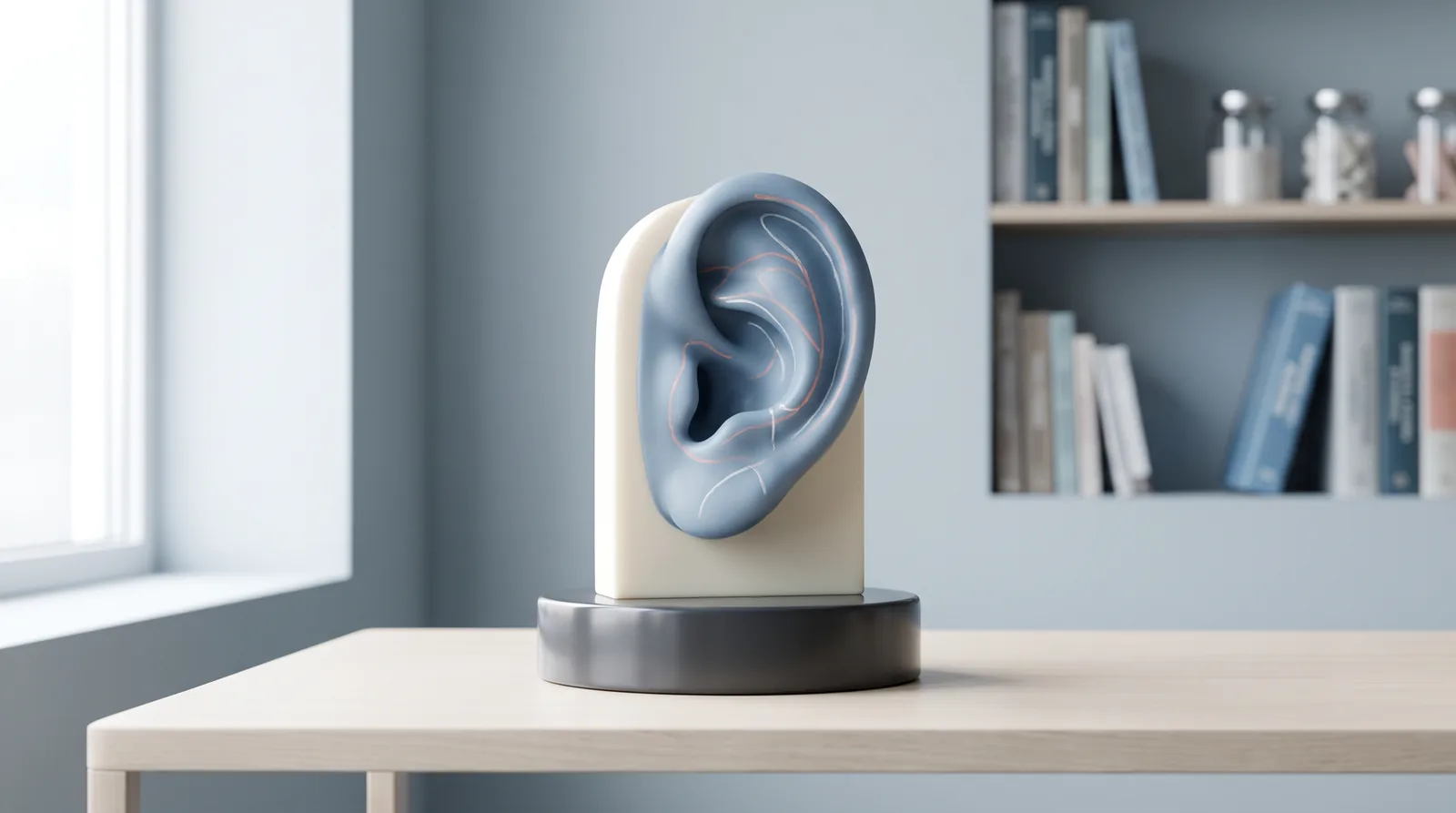
During assessment, the surgeon may compare the distance from each ear to the scalp, the height and width of each auricle, the shape of the rim, the antihelix, the concha, and the earlobe. They may view the ears from the front, side, and behind. This helps separate the visible concern from the structural feature that may be contributing to it. A plan might involve reshaping cartilage, placing sutures, reducing a selected area, or using another approach; the appropriate method cannot be chosen reliably from a selfie.
The aim is usually a balanced, natural-looking position rather than forcing the ears flat against the head. Excessive correction can create an unnatural contour or place pressure on cartilage. A careful plan also considers hairline, glasses, helmet use, sports, and the way the ears move with facial expression.
Asymmetry and realistic goals
Small differences between ears are common. One ear may be slightly higher, the rim may have a different curve, or the conchal bowl may be deeper on one side. Otoplasty may improve a noticeable asymmetry, but it cannot promise mirror-image ears. Starting anatomy, healing response, scar behavior, and the limits of cartilage reshaping all affect the final appearance.
A useful goal is specific and observable: reducing outward projection, improving balance, refining a fold, or addressing a deformity after trauma. A less useful goal is to look exactly like a celebrity, computer-generated image, or another person. Bring questions and reference images if they help explain your preference, but understand that a surgeon must adapt the discussion to your own tissues.
Ask what the procedure is intended to change and what it is not intended to change. Otoplasty does not correct every facial proportion, change the skull, or guarantee that other people will react differently. If distress is mainly driven by body-image anxiety, repeated checking, or a hope that surgery will solve unrelated difficulties, the consultation should address that context before any decision.
Age, development, and timing
The outer ear develops during childhood, and surgeons generally wait until the cartilage is sufficiently developed for the planned correction. Specialist guidance commonly discusses otoplasty from around age five, but this is not a universal appointment rule. A surgeon assesses development, the child’s readiness, the reason for surgery, and the practical support available at home and school.
Timing may be postponed when a child is not willing, cannot follow instructions, has an active ear problem, or is facing pressure from someone else. For adults, timing may depend on work, sports, travel, medical conditions, and the ability to protect the ears during early healing. If an ear has recently been injured, the priority may be diagnosis and treatment of the injury rather than elective reshaping.
Parents may also hear about nonsurgical molding for very young infants. That is a separate, time-sensitive discussion because newborn cartilage is more flexible. It should not be confused with deciding on otoplasty later in childhood or adulthood.
General health and factors that may change suitability
The consultation includes a medical history, medicines, allergies, previous anesthesia experiences, smoking or nicotine use, bleeding problems, immune conditions, diabetes, skin disorders, and any ear infections or inflammation. The surgeon may request an examination or tests when appropriate. A condition that affects healing or increases bleeding risk does not always rule out surgery, but it may require treatment, optimization, specialist input, or a delay.
Smoking and nicotine can interfere with healing. Medicines and supplements can also affect bleeding or anesthesia, so do not stop a prescribed medicine on your own. Give the clinical team a complete list and follow individualized instructions. An active infection, unexplained skin problem, or untreated medical issue around the ear should be addressed before elective surgery.
A candidate should also be able to plan for practical recovery: keeping the dressing clean and dry when instructed, avoiding pressure on the ears, attending follow-up, and limiting activities that could injure healing cartilage. Children need an adult who can understand the instructions and help them follow them.
What happens during a proper assessment
A good consultation is more than a quick photograph. It usually includes a discussion of your concern and timeline, inspection and gentle examination of both ears, review of general health, and an explanation of the proposed technique and anesthesia. The surgeon may take standardized photographs for planning and documentation. You should have time to ask about scars, dressings, pain control, school or work, sleep position, sports, and what would happen if healing is slower or the ears remain uneven.
The surgeon should explain foreseeable risks without presenting them as remote impossibilities. These can include bleeding or a blood collection, infection or inflammation of cartilage, tenderness, numbness or tingling, visible scarring, asymmetry, dissatisfaction, and partial return of prominence. Healing may take weeks, and some firmness or altered sensation can last longer. Follow-up is part of the treatment plan, not an optional extra.
Online quizzes, photo-matching tools, and social-media before-and-after posts can help you form questions, but they cannot measure cartilage, diagnose an ear condition, assess anesthesia risk, or judge psychological readiness. A photograph also hides lighting, camera angle, hair, and editing. Use the internet to prepare for a conversation, not to issue yourself a surgical clearance.
Questions to bring to your consultation
Consider asking: Which structural features create the appearance I dislike? What change is realistic on each side? How will you preserve a natural contour? Which anesthesia and setting are appropriate for me? What dressing and activity restrictions should I expect? How are scars and unexpected swelling managed? What symptoms require an urgent call? How many follow-up visits are typical? What happens if the ears heal differently from the intended position?
For a child, also ask how the child’s wishes are included, how school and sports will be handled, and who should supervise the dressing. For an adult, mention work equipment, helmets, headphones, glasses, or contact sports that may put pressure on the ears. Clear answers help you decide whether the proposed plan matches your priorities.
If, after assessment, you feel the plan is appropriate and understand its limits, you can Book an Otoplasty Consultation to discuss your individual anatomy with the clinic team.
To connect an assessment discussion with the service pathway, visit the Otoplasty procedure page. You can also view the Otoplasty Before & After gallery to see published clinical cases in their appropriate setting. Each case has its own anatomy, plan and healing course, so images are educational rather than a prediction of an individual result.
Frequently Asked Questions
Can prominent ears be assessed from a photograph?
A photograph can show why you want advice, but it cannot establish candidacy. Position, lens distortion, hair, lighting, and facial angle can change apparent projection. An in-person assessment is needed to examine folds, cartilage, skin, symmetry, health history, and goals.
Is there a minimum age for otoplasty?
Many surgeons consider otoplasty once the external ear has developed sufficiently, often around early school age. Exact timing depends on anatomy, readiness, motivation, health, and the surgeon’s assessment. Adults may also be candidates; age by itself neither confirms nor excludes suitability.
Will otoplasty make both ears exactly the same?
The goal is improved balance and a natural contour, not perfect mirror symmetry. Differences in starting anatomy and healing mean some asymmetry may remain. Your surgeon should explain the expected range of change and what follow-up would involve if healing does not follow the plan.
Choosing otoplasty thoughtfully means treating the person, not only the photograph. A careful assessment connects anatomy with a realistic goal, checks health and readiness, and leaves room for a decision without pressure.